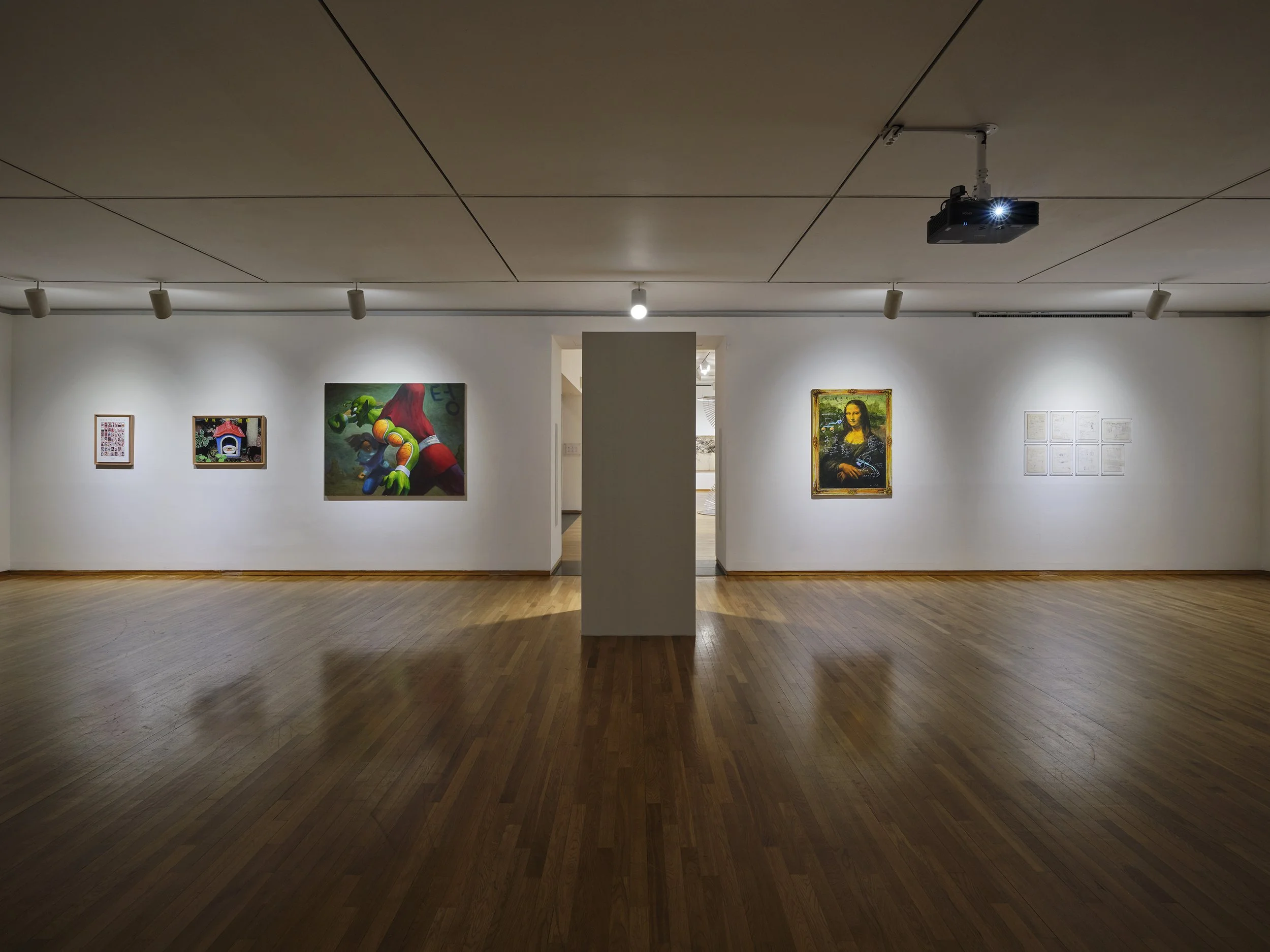
Kong Sunghun:
Double Blind
25 June 2026 - 19 July 2026
Kumho Museum of Art, Seoul

Curated by Jiwon Yu, Minhoon Lee
Works and archival materials courtesy of the Estate of Kong Sunghun
Graphic Design by Gunjung Lee
Installation: Hong & Jang
Media Equipment: Manri Art Makers
Supported by Seoul Metropolitan Government and Seoul Foundation for Arts and Culture
*This project was selected for the 2026 Seoul Foundation for Arts and Culture Grants for Artistic Creation
Photo by Euirock Lee
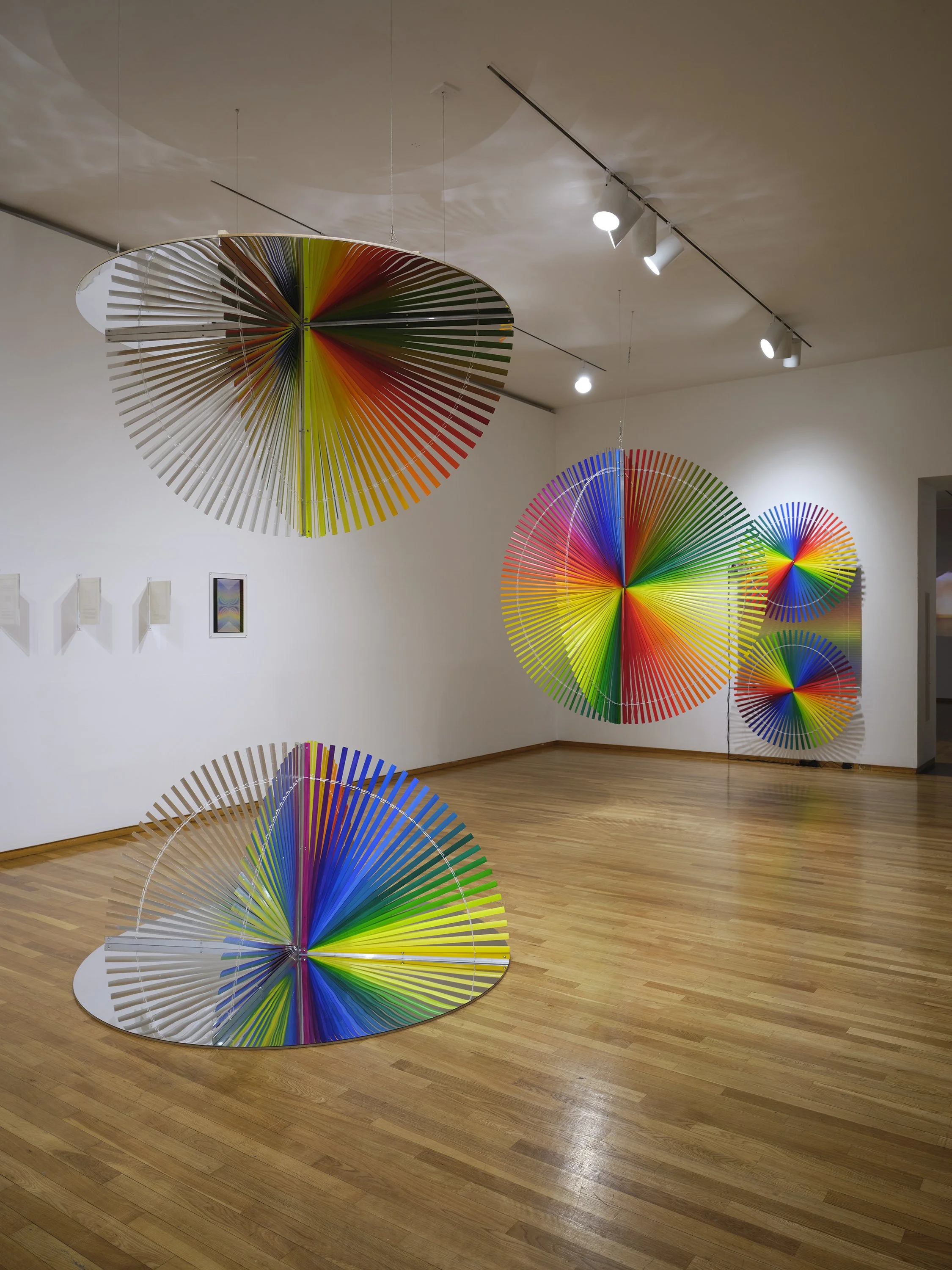
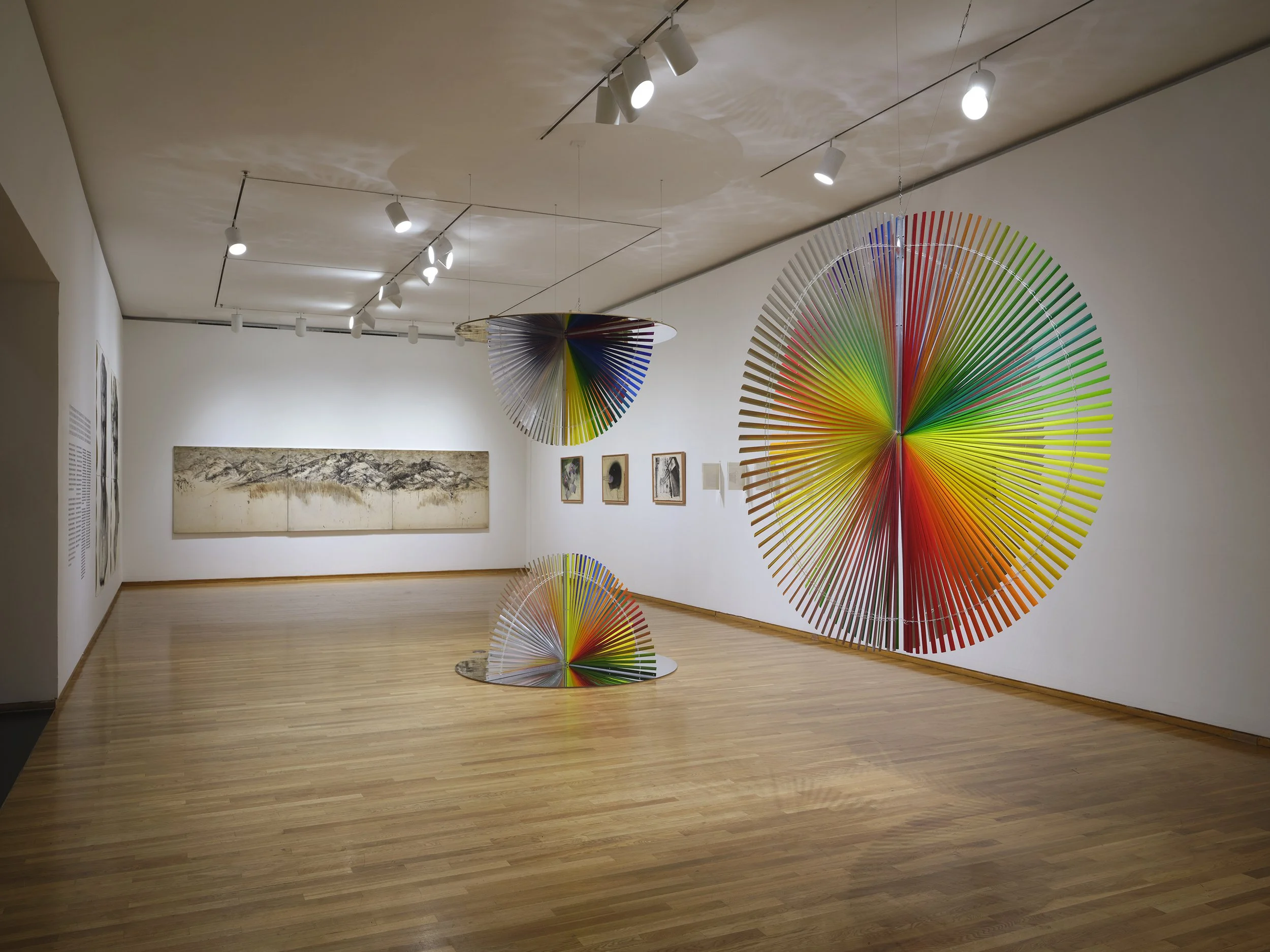
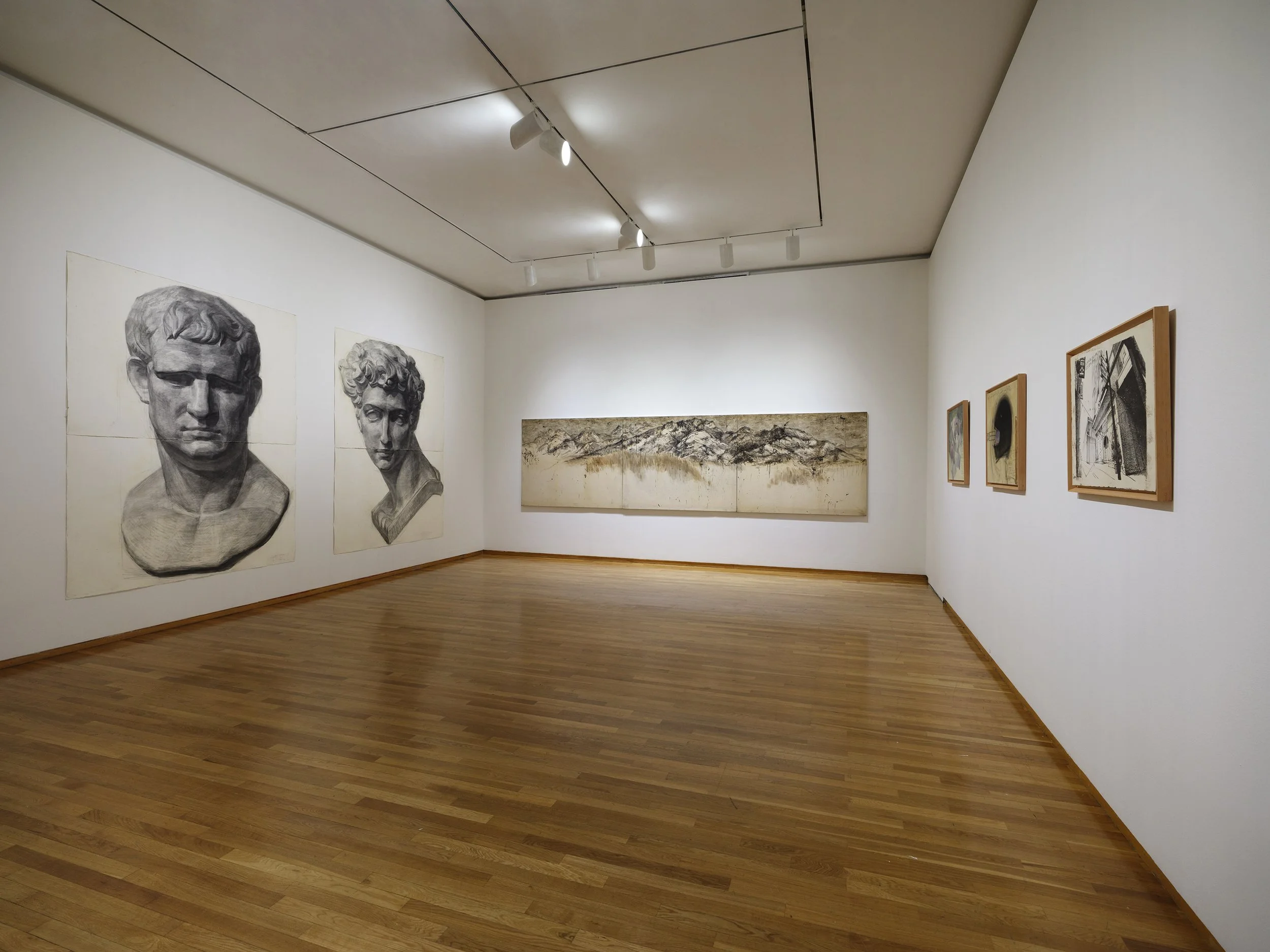
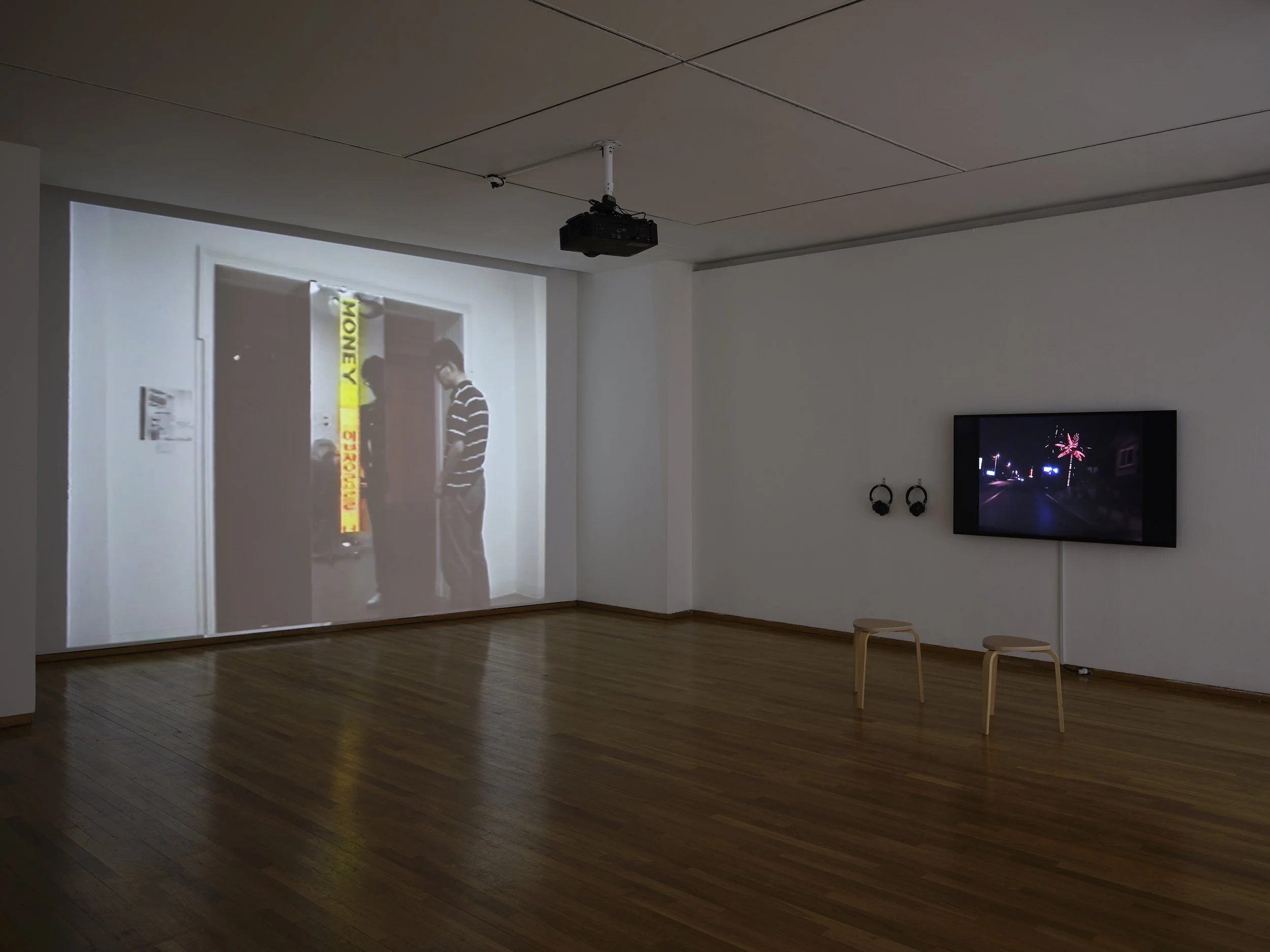
《더블 블라인드》는 공성훈(1965–2021)의 작고 5주기를 맞아, 1990년대 전반에 걸쳐 그가 선보인 초기 작업을 현재의 좌표에서 다시 살펴본다. 공성훈은 2000년대 이후 풍경 회화로 널리 알려졌지만, 이전의 작업은 기계장치, 회로, 카메라, 프로젝터, 자판기, 블라인드 커튼, 광고 이미지 등을 도입하여 당대의 기술 환경과 미술 제도, 대중문화의 조건을 직접 다루는 실험들로 펼쳐졌다. 이 전시는 그동안 개별적으로 언급되거나 기록으로만 남아 있던 초기 작업을 한자리에 모아, 이러한 실천이 회화 이전의 주변부가 아니라 작업 세계 전반을 관통하는 질문의 출발점이었음을 드러낸다.
공성훈의 초기 작업에서 기술은 보는 방식과 판단의 조건을 드러내는 구체적인 장치였다. 세계화와 경제개발, 소비문화와 대중매체, 첨단기술에 대한 기대가 급격히 확산되던 1990년대에 공성훈은 낙관이나 회의에 치우치기보다 작업에 투입된 주요 기술의 작동 원리를 직접 배우고 설계하며 적용하는 데 주력했다. 이로써 작품은 기술적 매개와 미술 매체, 예술적 창작과 기계적 제작이 포개진 장소이자, 예술이 가시화되고 작동하며, 가격 매겨지고, 승인되는 조건을 시험하는 장치로 자리 잡았다. 나아가 공성훈의 초기 작업은 미술관 입구의 결제 장치, 전시장 안의 반사면, 관객의 시선, 작가의 손으로 조립된 회로를 비롯한 구체적인 단위로부터 시대를 감지한다. 이는 급변하는 한국 사회의 조건과, 작가로서 자신의 위치를 구축해 가던 한 예술가의 본질적인 질문이 교차하는 자리이기도 하다.
《더블 블라인드》는 이러한 초기 작업들을 완결된 작품과 그 부속 자료라는 위계를 전제하지 않고 제시한다. 재제작된 작품, 회로도, 매뉴얼, 기록 영상, 미완성 작품의 구상 스케치 등은 작품이 성립하고 다시 읽히는 조건을 구성하는 동시에, 오늘의 관객 앞에 감상의 대상으로 제시된다. 전시 제목은 공성훈의 초기 연작이자 1991년 관훈갤러리에서 열린 첫 개인전인 ‘블라인드 작업’을 다시 불러오며, 작가의 부재와 그로부터 촉발된 가설적 재구성을 전시의 중심으로 끌어온다. 더불어 ‘double blind’는 실험자와 피실험자 모두가 조건을 알지 못한 채 진행되는 이중맹검법을 가리킨다. 소실과 기능 이상, 작가의 부재를 겪은 작품은 더 이상 온전히 복원할 수 없는 원전으로 남고, 현재의 전시는 그 작업이 제작되던 시점에는 알 수 없었던 미래의 조건 속에서 펼쳐진다. 제작과 작동, 실패와 재구성, 기록과 해석의 과정이 담긴 아카이브는 완결된 작품의 형태를 알지 못하고, 완결된 작품은 그것을 가능하게 한 시행착오와 제작의 과정을 종종 감춘다. 《더블 블라인드》는 이 간극을 드러내며, 공성훈의 초기 실천을 고정된 출발점이 아니라 오늘의 예술을 향해 여전히 작동하는 질문으로 마주하고자 한다. 공성훈이 제시했던 투명한 제작 과정과 조정 감각은 현 시점의 예술과 과학기술의 간극에 대해 어떤 말을 할 수 있는가. 시대적 요구와 개인의 몸부림의 접합부에서 예술가의 역할은 무엇인가.
Double Blind marks the fifth anniversary of the passing of Kong Sunghun (1965–2021) by returning to the early works he produced throughout the 1990s and tracing the questions they continue to raise today. Although Kong became widely known after the 2000s for his landscape paintings, his earlier works were experiments that directly engaged the technological environment, art institutions, and popular culture of the time—using mechanical devices, circuits, cameras, projectors, vending machines, venetian blinds, and advertising images. The exhibition brings these works together, including pieces that have long been discussed separately or known only through records, and shows that they are not a peripheral prelude to his later painting, but the point of departure for questions that would run through his entire body of work.
In Kong’s early works, technology was not an abstract sign of the new, but a material apparatus through which modes and conditions of seeing were made visible. In the rapidly changing Korea of the 1990s, shaped by globalization, consumer culture, mass media, and new technological expectations, Kong neither embraced nor rejected these shifts outright. Rather than leaving the technical aspects of his work to others, Kong sought to understand, design, and apply the operating principles of the technologies he used. His works therefore brought together technological mediation and artistic medium, artistic creation and mechanical production, while testing the conditions under which art appears, operates, acquires value, and gains approval. Thus, they register their time through specific components: a payment device at the entrance to the museum, reflective surfaces inside the exhibition space, the viewer’s gaze, and circuits assembled by the artist’s own hands. They are also where the conditions of a rapidly changing Korean society meet the fundamental questions of an artist defining his own position.
This exhibition presents these early works without assuming a hierarchy between finished works and their accompanying materials. Remade works, circuit diagrams, manuals, video documentation, and sketches for unfinished works are not treated as secondary, but stand within the exhibition as works and materials to be seen in their own right. The exhibition’s title brings into focus Blind-Work, Kong’s early series and the title of his first solo exhibition, held at Kwanhoon Gallery in 1991, as well as the artist’s absence and the speculative reconstruction it has set in motion. At the same time, “double blind” refers to a research method in which neither the experimenter nor the subject knows which conditions have been assigned. Marked by loss, malfunction, and the artist’s absence, the works now remain as originals that can no longer be fully restored. The present exhibition, in turn, approaches them from a future that their moment of production could not have known. The archive is a witness to making and operation, failure and reconstruction, documentation and interpretation, standing at a distance from the final form of the completed work; the completed work, in turn, often conceals the trials and processes that made it possible. By facing this mutual unknowability, Double Blind returns to Kong’s early practice as questions that continue to resonate within art today, rather than fixing it as a point of origin. What might the exposure of the artistic process—of making, testing, and adjustment—tell us about the relationship between art and technology today? And how might an artist respond to the demands of the present while struggling to find oneself?